Quick Summary: Setting up a kitchen from scratch doesn't have to cost a fortune. This complete guide shows you exactly what to buy, what to skip, and how to build a fully functional kitchen on any budget — whether you have $50 or $500 to spend.
Moving into a new place is exciting. But then you open the kitchen cabinets and realize — they're completely empty. No pots. No pans. No cutting board. Not even a decent knife.
And suddenly, that excitement turns into overwhelm. Where do you even start? What do you actually need? How do you avoid wasting money on things you'll never use?
Honestly, I've been there. And I made every mistake in the book — bought a 20-piece cookware set I never fully used, splurged on a fancy stand mixer before I even knew if I liked baking, and ended up with a drawer full of gadgets that just collect dust.
Here's what I learned the hard way: setting up a kitchen from scratch is not about buying everything at once. It's about being smart, starting with the right basics, and building from there.
This guide tells you exactly how to do that — whether you're a college student, a newlywed, someone moving into their first apartment, or just starting over. Let's build your dream kitchen without breaking the bank.

Smart shopping beats big spending every time — here's exactly what to prioritize.
Why Most People Overspend Setting Up a Kitchen
Walk into any kitchen store and it's sensory overload. Gadgets everywhere. Beautiful cookware sets. Fancy appliances with buttons you'll never press. And price tags that make your eyes water.
Most people fall into one of two traps:
Trap #1: Buy everything at once. They see a "starter kitchen set" and think — perfect, one purchase, done. But these sets are almost always bad value. They include pieces you don't need and skimp on quality where it actually matters.
Trap #2: Buy the cheapest of everything. Understandable on a tight budget — but the cheapest pans warp, the cheapest knives dull instantly, and you end up replacing them twice. False economy every time.
The smart approach? Buy fewer things, buy them better, and only buy what you'll actually use.
Most people don't realize this: A well-equipped kitchen doesn't need more than 15-20 items total. Professional chefs work with surprisingly few tools. It's about quality and versatility — not quantity.
Step 1 — Set Your Budget Before You Buy Anything
This sounds obvious. But most people skip this step and just start buying — then look up three weeks later having spent way more than planned with still missing essentials.
Here's a realistic budget breakdown for setting up a kitchen from scratch:
- 1 good chef's knife
- 1 cutting board
- 1 non-stick pan
- 1 medium saucepan
- Basic utensils set
- Colander
- Everything in Starter
- Cast iron skillet
- Large stockpot
- Baking sheet x2
- Mixing bowls set
- Food storage containers
- Electric kettle
- Everything in Complete
- Premium knife set
- Quality blender
- Toaster oven
- Spice rack + jars
- Under-shelf storage
- Kitchen scale
Smart tip: Start with the Starter Setup. Cook with those items for 2-3 weeks. Then you'll know exactly what you're missing based on actual cooking — not guessing. This saves you from buying things you'll never use.
Good cookware doesn't have to cost a fortune — these picks give you the best value for money.
Step 2 — The Non-Negotiable First Purchases
These are the items you absolutely must have before you can cook a single meal. No substitutes, no skipping. Get these first.
The single most important purchase. A sharp 8-inch chef's knife handles 80% of all kitchen prep. Budget pick: Victorinox Fibrox — under $40 and used by professional kitchens worldwide.
Budget: $30–$50Go bigger than you think — at least 12x18 inches. Bamboo or wood is gentler on knife edges. A good board lasts years with basic oiling once a month.
Budget: $15–$30For eggs, pancakes, fish, and delicate foods. A 10 or 12-inch PFOA-free non-stick pan is essential. Don't use metal utensils and it'll last 2-3 years easily.
Budget: $20–$40For soups, sauces, rice, boiling eggs, and heating liquids. You'll use this almost every single day. Stainless steel with a heavy bottom distributes heat evenly.
Budget: $20–$35For draining pasta, washing fruits and vegetables, rinsing beans. A stainless steel colander with feet is the most practical — it stands in the sink hands-free.
Budget: $10–$20Silicone spatula, wooden spoon, ladle, tongs, and a whisk. These five tools handle almost every cooking task. Buy a set — it's always cheaper than individual pieces.
Budget: $15–$25The secret to a functional kitchen isn't spending more — it's spending smarter on things that earn their place every single day.
— Kitchen Living Guide, 2026Step 3 — Smart Ways to Save Money on Kitchen Essentials
Here's where it gets interesting. There are several smart strategies that can cut your kitchen setup costs by 30-50% without sacrificing quality.
Smart shopping strategies can cut your kitchen setup costs by nearly half.
- Shop Restaurant Supply Stores — Professional-grade cookware at these stores often costs less than "designer" consumer brands and lasts 3x longer. They're open to the public and most people don't even know they exist.
- Buy During Major Sales — Black Friday, Amazon Prime Day, and end-of-season sales can get you 40-60% off quality kitchen items. Make a wishlist and wait for the right moment.
- Check Thrift Stores for Certain Items — Cast iron skillets, mixing bowls, baking sheets, and glass storage containers are great thrift store finds. Avoid second-hand non-stick pans (coating condition is hard to verify).
- Buy Pieces, Not Sets — Cookware sets always include pieces you won't use. Buying individual items means every dollar goes toward something you'll actually cook with.
- Start With Mid-Range, Not Luxury — You don't need the most expensive option. Mid-range brands like OXO, Lodge, and Victorinox offer excellent quality at reasonable prices. Save luxury brands for when you know you're serious about cooking.
- Use Cashback Apps and Coupons — Apps like Rakuten, Honey, and store loyalty programs can give you real savings on kitchen purchases. Stack with sale prices for maximum savings.
- Borrow Before Buying — Before buying a specialty item like a stand mixer or food processor, borrow one from a friend or family member. Use it for a month. If you use it constantly — then buy it. If it sat unused — you just saved yourself $200.
Step 4 — Building Your Kitchen in the Right Order
Most people try to set up everything at once. This leads to overspending and buying the wrong things. Here's the smart order to build your kitchen:
| Phase | What to Buy | Estimated Cost | Priority |
|---|---|---|---|
| Phase 1 — Week 1 | Chef's knife, cutting board, non-stick pan, saucepan, colander, utensils | $80–$120 | Essential |
| Phase 2 — Week 2-3 | Mixing bowls, measuring cups, baking sheet, storage containers | $40–$70 | Important |
| Phase 3 — Month 2 | Cast iron skillet, stockpot, electric kettle, blender | $80–$130 | Upgrade |
| Phase 4 — When Ready | Toaster oven, spice organization, specialty tools | $60–$150 | Optional |
This phased approach means you always have what you need right now, without overspending on what you might need later.
Small appliances come in Phase 3 — only buy them after you've established your cooking habits.
Step 5 — Don't Forget These Often-Overlooked Essentials
These items are small, cheap, and easy to overlook — but you'll miss them badly when they're not there.
- Can Opener — You'll desperately need this at 7 PM on a weeknight. Get a manual one — they last forever.
- Vegetable Peeler — A Y-shaped peeler is faster and more comfortable than the classic straight style.
- Kitchen Scissors — For cutting herbs, trimming meat, opening packages. Heavy-duty ones that come apart for cleaning are best.
- Oven Mitts (x2) — Don't use a folded dish towel. Real oven mitts protect your hands and your food. Get silicone ones — they're more heat resistant.
- Dish Drying Rack — Unless you have a dishwasher, this is non-negotiable. Get one that fits your sink area.
- Kitchen Timer — Your phone works, but a dedicated timer on the counter means you don't have to unlock your phone every time you need to check. Cheap and surprisingly useful.
- Dish Soap Dispenser + Sponge Holder — Keeps your sink area organized. Such a small thing, such a big difference.
- Paper Towel Holder — Mounted on a cabinet or standing on the counter — always within reach for quick clean-ups.
Pro tip: Buy these small essentials all in one go — they're cheap individually but annoying to keep going back for. One $30 "small essentials" run covers most of this list.
Step 6 — Setting Up Your Kitchen Space Smartly
Having the right tools is only half the equation. How you organize your kitchen determines how easy it is to actually cook in it.
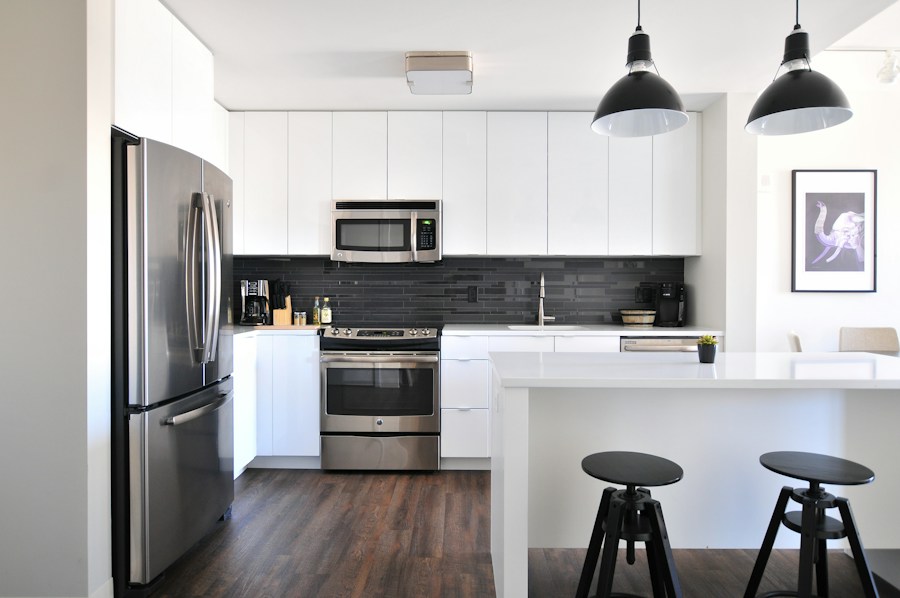
A well-organized kitchen makes cooking faster, easier, and genuinely enjoyable every day.
Zone Your Kitchen
Think of your kitchen in three zones: the prep zone (where you chop and prepare), the cooking zone (stove area), and the storage zone (cabinets and pantry). Keep tools close to where you use them. Knives and cutting boards near the prep zone. Spatulas and spoons near the stove. It sounds simple — but most people don't do it and waste 10 minutes every meal looking for things.
Store What You Use Daily at Eye Level
The things you reach for every day — oil, salt, pepper, your most-used pan — should be the easiest to access. Push rarely-used items to high shelves and back of cabinets. Accessibility = speed = enjoyment.
Label Everything in Your Pantry
Uniform containers with labels transform a chaotic pantry into a functional one. You can see what you have, find things fast, and notice when you're running low. This single habit saves time and reduces food waste.
Remember: A kitchen that's organized for how YOU cook is better than a kitchen organized to look like a magazine. Set it up for function first, aesthetics second.
6 Mistakes to Avoid When Setting Up a Kitchen on a Budget
Buying a Cookware Set
Sets always include pieces you won't use and skimp on quality where it matters. Buy individual pieces based on what you actually cook.
Skimping on the Chef's Knife
This is the one item worth spending more on. A bad knife makes every cooking task harder and more dangerous. Budget $30-50 minimum.
Buying Gadgets Before Basics
An air fryer is exciting. A garlic press is cute. But if you don't have a good pan and a sharp knife, those gadgets won't help you cook a single meal.
Ignoring Storage Solutions
Buying tools without planning storage means your kitchen becomes cluttered within days. Budget $20-30 for basic storage from the start.
Not Buying a Good Cutting Board
A small, thin cutting board that slides on the counter is a nightmare. Invest in a large, heavy board that stays in place. Your knife and your sanity will thank you.
Buying Everything Brand New
Thrift stores, garage sales, and Facebook Marketplace have excellent kitchen items at a fraction of retail price. Cast iron pans especially — they get better with age and use.
Frequently Asked Questions
You can set up a genuinely functional kitchen for $50-80 if you're strategic. Focus on: one good chef's knife ($30-40), a large cutting board ($15-20), a non-stick pan ($20-25), and a medium saucepan ($20-25). These four items will let you cook the majority of meals. Add a colander and basic utensils and you're fully operational under $100.
For most items — no. Cheap pans warp, cheap knives dull instantly, and cheap storage containers crack within months. You end up replacing them repeatedly, spending more in the long run. The exception: basic utensils (wooden spoons, spatulas) where cheap versions work nearly as well as expensive ones. For anything you'll use daily — invest in mid-range quality minimum.
Individual pieces, always. Kitchen sets and cookware sets are almost always marketed convenience over actual value. They include pieces you'll rarely use, and the quality is usually spread thin across all pieces rather than concentrated where it matters. Buy individual items based on what you actually cook — you'll spend less and get more.
Great second-hand buys: cast iron skillets (they improve with use), mixing bowls, baking sheets, glass storage containers, wooden cutting boards, stockpots, and small appliances like blenders. Avoid second-hand non-stick pans (coating wear is hard to assess), knives (sharpening history unknown), and anything with visible rust, cracks, or damage.
With mid-range quality purchases and proper care, most kitchen essentials last 5-10 years or more. Cast iron pans last a lifetime. Knives last decades with proper sharpening. Non-stick pans typically need replacing every 2-3 years. The initial investment in quality pays off massively over time compared to buying cheap items repeatedly.
An electric kettle — hands down. It's the most affordable small appliance ($20-30), used multiple times daily for tea, coffee, instant foods, and speeding up pasta water, and it lasts for years. If you're a rice-eating household, a rice cooker is a close second — set it and forget it, perfect rice every time.
References
Food Marketing Institute — Home cooking frequency and kitchen equipment correlation study, 2025.
America's Test Kitchen — Budget cookware testing and long-term durability research.
Consumer Reports — Kitchen appliance value ratings and buyer satisfaction surveys, 2025-2026.
Final Thoughts — Start Small, Build Smart
Setting up a kitchen from scratch is one of those things that feels overwhelming until you have a clear plan. And now you do.
Start with the six non-negotiables. Cook with them for a few weeks. Then add the next layer based on what you're actually missing. Keep going, one smart purchase at a time, and within a few months you'll have a fully equipped, beautifully functional kitchen — without having broken the bank.
The best kitchen isn't the most expensive one. It's the one that works for you — with the right tools, in the right places, ready to use whenever you need them.
Now stop reading and start cooking. 🍳
Ready to Set Up Your Dream Kitchen?
Start with the basics — a good knife, a solid pan, and a dependable saucepan. That's your entire Phase 1. Order those three things today and you can cook a proper meal by tomorrow night.
🍳 Start Building Your Kitchen Today →
Comments
Post a Comment