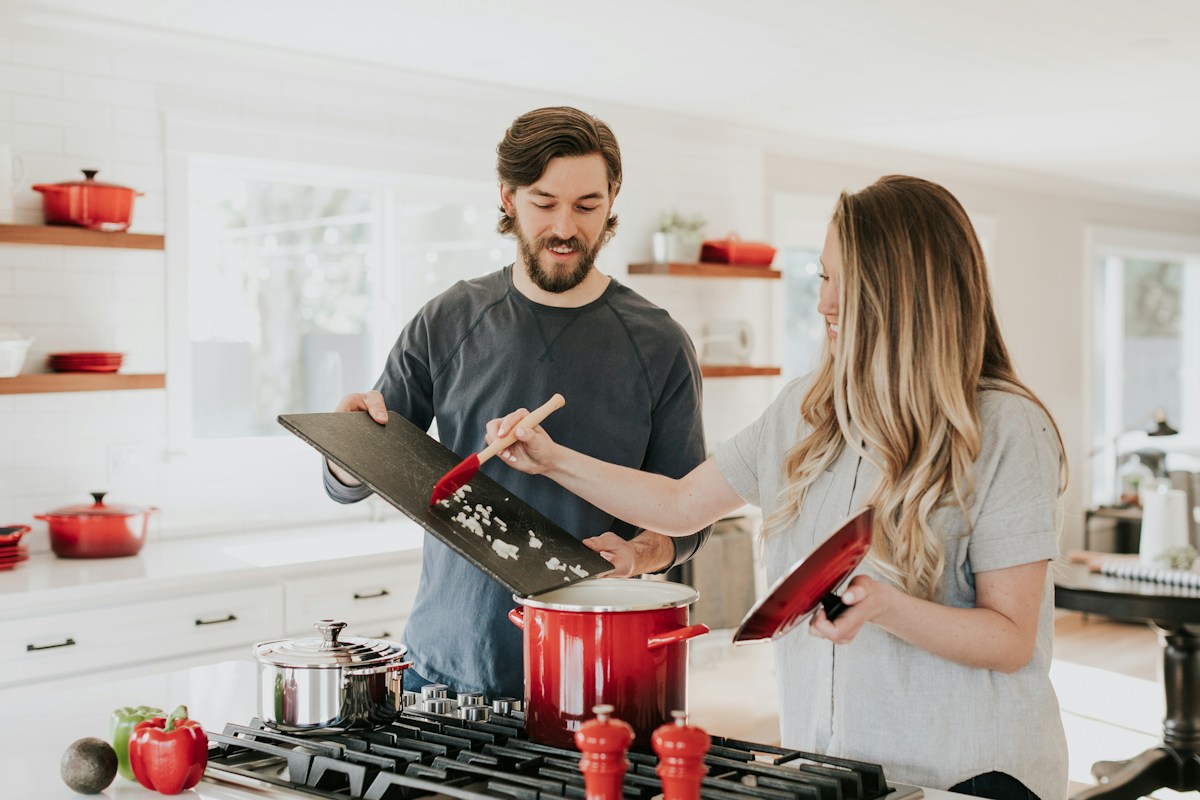
Let me ask you something honest. How many times have you stood in your kitchen, halfway through making dinner, and realized — you don't have the right tool for the job?
Maybe the knife is too dull to cut a tomato properly. Maybe you're using a random bowl that's too small and everything keeps spilling out. Or you're using a flimsy pan that burns everything on one side and undercooks the other.
Frustrating, right? Honestly, most people don't realize this — but a poorly equipped kitchen is one of the biggest reasons people give up on cooking at home. It's not laziness. It's just that the wrong tools make cooking feel harder than it actually is.
Here's the good news: you don't need a $10,000 kitchen renovation to fix this. You just need the right essentials. The tools that actually work. The ones that professional cooks swear by and home chefs rely on every single day.
This guide breaks it all down — clearly, practically, and without any unnecessary fluff. Let's get into it.
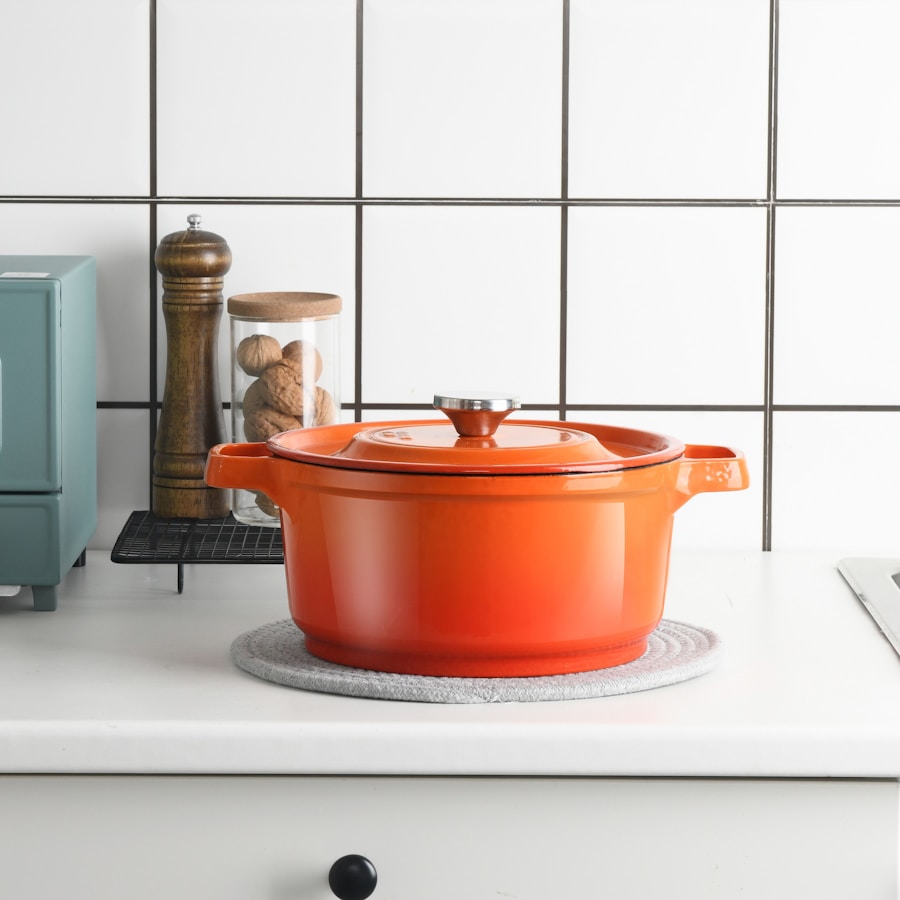
The right kitchen tools make all the difference — here's exactly what you need.
Why Having the Right Kitchen Essentials Actually Matters
Most people think cooking skill is everything. And yes — technique matters. But even the best chef in the world can't do much with a dull knife, a warped pan, and a missing strainer.
Think about it this way: a carpenter doesn't show up to a job site without their tools. A doctor doesn't perform surgery with a butter knife. So why do we expect ourselves to cook great food with a mismatched, incomplete, barely-functional kitchen?
The right tools don't just make cooking easier — they make it faster, safer, and honestly, a lot more fun. When your kitchen is properly equipped, you stop dreading meal prep and actually start enjoying it.
Most people don't realize this: Studies from the Food Marketing Institute show that people with well-organized, well-equipped kitchens cook at home 35% more often than those with poorly equipped ones. Better tools = more home cooking = healthier life.
The 5 Categories of Kitchen Essentials
Before we dive into the actual list, let me break it down into 5 simple categories. This way, you know exactly what you have and what you're missing.
Knives, cutting boards, peelers, scissors. The foundation of every kitchen task.
Pots, pans, baking sheets. What you actually cook in — quality matters most here.
Spatulas, ladles, tongs, whisks. The everyday helpers you reach for without thinking.
Containers, jars, racks. Keeps your kitchen functional and clutter-free.
Blender, toaster, kettle. Time-savers that earn their counter space.
Category 1: Cutting Tools — The Non-Negotiables
Here's what actually works in cutting tools — and what you genuinely cannot cook without.
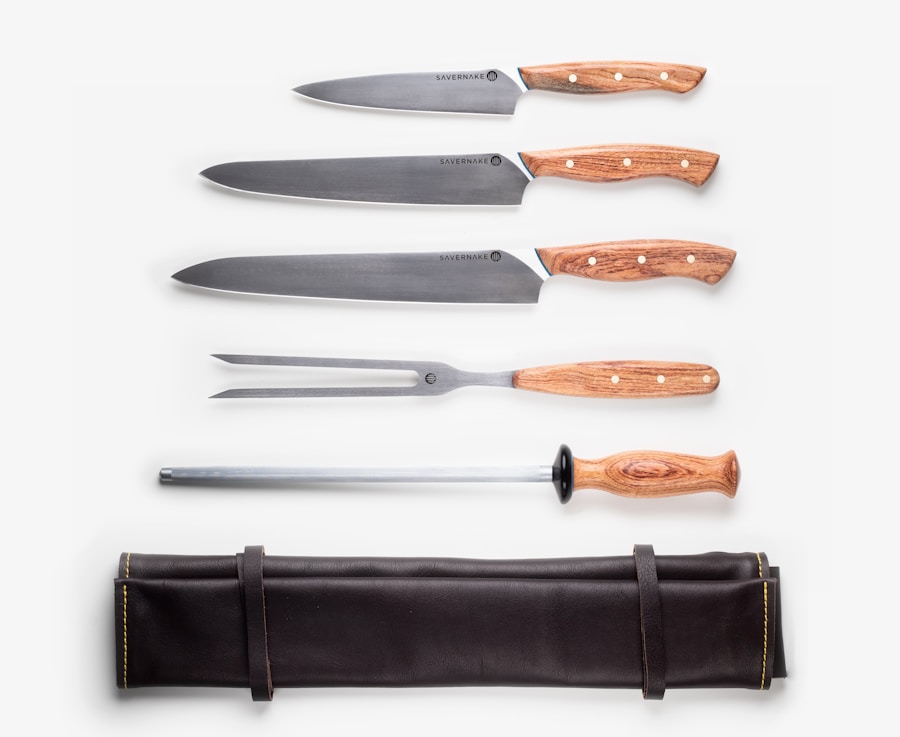
A good sharp knife is the single most important tool in any kitchen — period.
1. A Good Chef's Knife (The Most Important Tool You Own)
Honestly, if you could only buy one kitchen item, make it this. A sharp, well-balanced chef's knife (8-inch is the sweet spot for most people) handles 80% of everything you do in the kitchen. Chopping vegetables, slicing meat, mincing garlic — it all starts here.
Pro Tip: You don't need a 15-piece knife set. Get one really good chef's knife, a small paring knife, and a bread knife. That's it. Three knives beat a drawer full of bad ones every single time.
👉 Check Best Chef's Knife on Amazon
2. A Large Wooden or Bamboo Cutting Board
Size matters here — go bigger than you think you need. A 12x18 inch board gives you real working space. Wooden and bamboo boards are gentler on knife edges than plastic ones, and they last for years with basic care.
👉 Shop Cutting Boards on Amazon
3. A Vegetable Peeler
Simple, cheap, irreplaceable. A Y-shaped peeler is faster and more comfortable than the old straight style. You'll use it more than you think.
4. Kitchen Scissors
Most people underuse these. Heavy-duty kitchen scissors are perfect for cutting herbs, trimming meat, opening packages, and even cutting pizza. Get a pair that comes apart for easy cleaning.
Category 2: Cookware — What's Actually Worth Buying
This is where people either overspend on fancy brands they don't need or underspend on cheap stuff that ruins their food. Here's the middle ground that actually makes sense.

Good cookware doesn't have to be expensive — it just has to be right.
5. A 10 or 12-Inch Non-Stick Frying Pan
For eggs, pancakes, fish, and anything delicate — a good non-stick pan is essential. Don't use metal utensils on it and it'll last you years. Replace it when the coating starts peeling (usually every 2-3 years with daily use).
👉 See Best Non-Stick Pans on Amazon
6. A Stainless Steel or Cast Iron Skillet
For searing meat, making sauces, and anything that needs high heat — this is your workhorse. Cast iron holds heat incredibly well and gets better with age. Stainless steel is easier to care for and works on all stovetop types.
7. A Medium Saucepan (2-3 Quart)
For soups, boiling eggs, heating sauces, making rice, cooking pasta for one or two people. You'll use this almost every single day.
👉 Shop Medium Saucepans on Amazon
8. A Large Stockpot (6-8 Quart)
For pasta nights, big soups, boiling corn, making stocks and broths. You don't use it daily — but when you need it, nothing else will do.
9. A Baking Sheet (Half-Sheet Pan)
Don't overlook this one. A good heavy-gauge baking sheet is used for roasting vegetables, baking cookies, sheet pan dinners, toasting bread. Get two — you'll always wish you had more.
Smart buying tip: Don't buy cookware sets. They always include pieces you'll never use. Buy individual pieces that you actually need — you'll save money and get better quality.
Category 3: Utensils & Kitchen Tools
These are the small things that live in your utensil drawer and make everything run smoothly. Most people have too many of the wrong ones and not enough of the right ones.
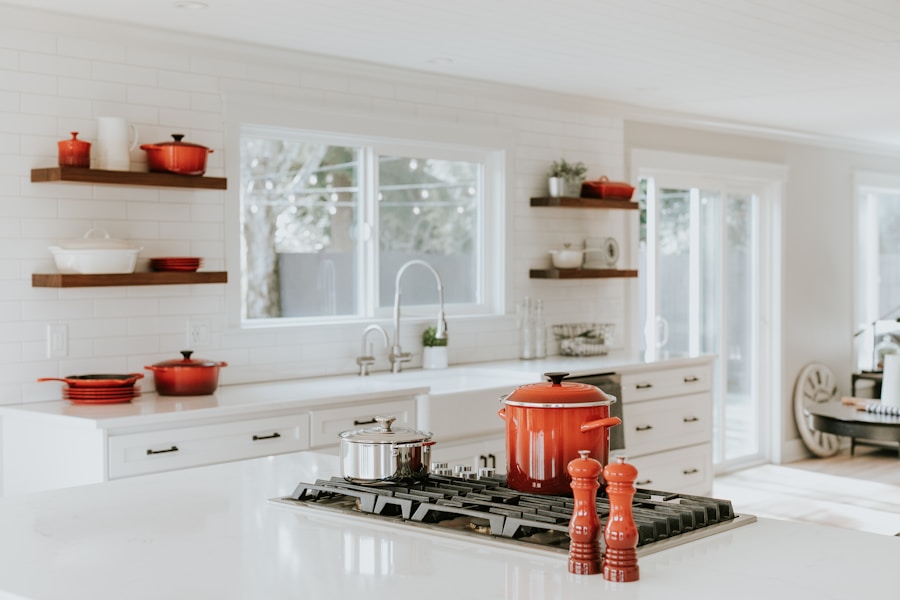
The right utensils make every recipe easier — these are the ones worth having.
- Silicone Spatula — Heat resistant, flexible, works in non-stick pans without scratching. Use it for stirring, folding, scraping. Get two different sizes.
👉 Shop Silicone Utensil Sets on Amazon - Wooden Spoon — Old-fashioned but irreplaceable. Doesn't scratch, doesn't conduct heat, doesn't react with acidic foods. A true kitchen classic.
- Tongs (12-inch) — For flipping meat, tossing pasta, grabbing things off the grill. Spring-loaded tongs with silicone tips are the best investment.
- Whisk — For eggs, sauces, dressings, batters. A balloon whisk incorporates air better. Get a medium-sized one for most tasks.
- Ladle — For soups and stews. A stainless steel ladle that holds about ½ cup is the most practical size.
- Box Grater — For cheese, ginger, zesting citrus, grating vegetables. The 4-sided box grater is the most versatile option by far.
- Colander / Strainer — For draining pasta, washing vegetables and fruits. A stainless steel colander with feet is the most practical.
- Mixing Bowls (Set of 3) — Nesting bowls in small, medium, and large. Used in almost every recipe for mixing, marinating, prepping ingredients.
- Measuring Cups & Spoons — Baking especially requires precision. Get a stainless steel set — they last forever and don't warp like plastic.
- Can Opener — Simple. Essential. You don't realize you need it until you desperately need it at 7 PM on a weeknight.
"The secret to enjoying cooking isn't talent — it's having the right tools within arm's reach when you need them."
Category 4: Storage & Organization Essentials
A kitchen that's organized is a kitchen that works. And storage is the backbone of kitchen organization. Here's what you actually need.
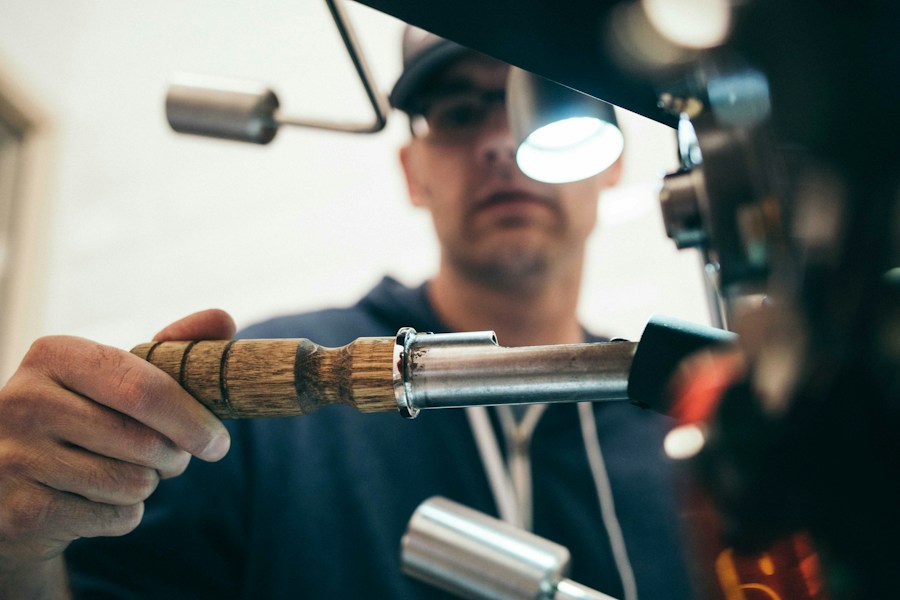
Organized storage saves time, reduces waste, and makes your kitchen a joy to cook in.
Airtight Food Storage Containers
For leftovers, dry goods, prepped ingredients. Glass containers are worth the investment — they don't stain, don't absorb smells, and can go from fridge to microwave to table. A set of 10-12 mixed sizes covers most needs.
👉 Shop Airtight Containers on Amazon
Glass Spice Jars with Labels
Uniform spice jars change your kitchen instantly. You can see what you have, find things faster, and your pantry looks 10x more organized. Refill from bulk bags to save money.
A Good Set of Reusable Bags
For storing cut vegetables, marinating meats, packing lunches. Silicone zip bags are especially good — they're washable, reusable, and seal tightly.
Under-Shelf Baskets & Drawer Organizers
These small organizational tools double your usable cabinet space. Under-shelf baskets hang from existing shelves to create extra storage. Drawer organizers keep utensils from becoming a tangled mess.
Pro Tip: Do a "kitchen audit" before buying any storage products. Empty one cabinet or drawer completely, only put back what you actually use, then buy storage solutions for what's left. Most people discover they can eliminate 30% of what's in their kitchen.
Category 5: Small Appliances That Are Actually Worth It
This is where people go overboard — buying every gadget they see on TV. Most of those things end up collecting dust. Here's the short list of appliances that genuinely earn their place on your counter.
- Electric Kettle: Boils water 3x faster than a stovetop. Used for tea, coffee, instant oatmeal, speeding up pasta water. If you drink hot beverages — this is essential.
👉 Shop Electric Kettles on Amazon - Blender: For smoothies, soups, sauces, and dips. A mid-range blender handles 95% of tasks. You don't need the $500 version unless you're blending tough frozen foods daily.
- Toaster or Toaster Oven: A toaster oven is the smarter investment — it toasts bread but also reheats food, bakes small items, and acts as a second oven.
- Rice Cooker (if you eat rice regularly): Set it and forget it. Perfect rice every time, keeps warm automatically. For families who eat rice often, this is a game changer.
- Hand Mixer or Stand Mixer (if you bake): For baking enthusiasts, a hand mixer at minimum is essential. A stand mixer is worth it if you bake bread or large batches regularly.
Rule of thumb: If you haven't used a small appliance in the last 3 months, it doesn't deserve counter space — or possibly even cabinet space. Be ruthless about what you keep.
Must-Have vs. Nice-to-Have: The Honest Breakdown
Not everything on this list needs to be purchased at once. Here's a clear breakdown of what to prioritize:
| Item | Priority | Why |
|---|---|---|
| Chef's Knife | Must Have | Used in every single meal |
| Cutting Board | Must Have | Can't prep food without it |
| Non-Stick Frying Pan | Must Have | Daily use, especially for eggs |
| Medium Saucepan | Must Have | Soups, sauces, rice — daily use |
| Colander | Must Have | Draining pasta and washing produce |
| Mixing Bowls | Must Have | Used in nearly every recipe |
| Airtight Containers | Must Have | Food storage and waste reduction |
| Electric Kettle | Nice to Have | Great time-saver but not critical |
| Stand Mixer | Nice to Have | Only essential for regular bakers |
| Cast Iron Skillet | Nice to Have | Excellent tool but non-stick covers basics |
How to Build Your Kitchen Essentials on Any Budget
Here's something most kitchen blogs won't tell you: you don't need to spend a lot to have a well-equipped kitchen. You need to spend smartly.
Budget Under $100
Focus on: one good chef's knife, a large cutting board, a non-stick pan, a saucepan, and a colander. These five things will handle 90% of your cooking needs. Buy mid-range — not the cheapest, not the most expensive.
Budget $100–$300
Add: a cast iron skillet, a stockpot, a baking sheet, mixing bowls, measuring cups, a blender, and airtight storage containers. Now you have a fully functional kitchen.
Budget $300+
Upgrade your knife to a premium brand, invest in a stand mixer if you bake, add a quality toaster oven, and complete your storage system. This is a complete, professional-level home kitchen setup.
Smart shopping tip: Buy kitchen essentials from restaurant supply stores or during major sale events. Professional-grade tools at these stores often cost less than "fancy" consumer brands — and they last much longer.
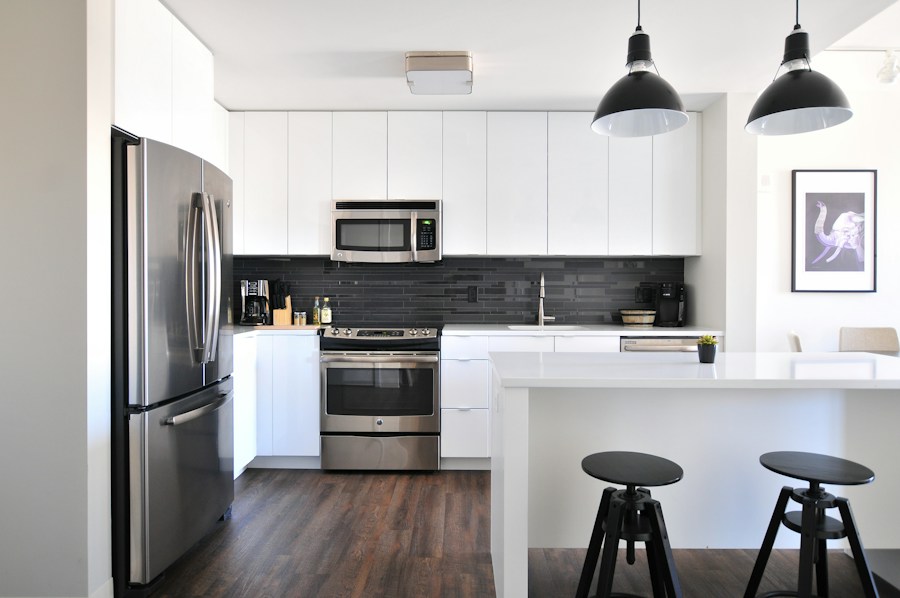
A well-equipped kitchen doesn't need to look like a magazine — it just needs to work for you.
5 Mistakes People Make When Buying Kitchen Essentials
Mistake #1: Buying Everything at Once
Start with the basics. Cook with them for a few weeks. Then identify what's actually missing. Buying everything upfront means buying things you'll never use.
Mistake #2: Prioritizing Looks Over Function
That beautiful ceramic knife looks stunning — but chips easily and can't be sharpened. A simple stainless steel knife that you can maintain will outperform it every time.
Mistake #3: Ignoring Knife Maintenance
A dull knife is more dangerous than a sharp one (you push harder and lose control). Get a honing steel and use it before every cooking session. Sharpen your knife every few months.
Mistake #4: Skipping Storage Solutions
Most people buy the tools but neglect storage. Without good storage, even the best kitchen becomes chaotic within weeks. Storage isn't boring — it's the system that makes everything else work.
Mistake #5: Keeping Things You Never Use
That avocado slicer, the electric can opener, the quesadilla maker from 2019 — get rid of them. Clutter in the kitchen creates mental clutter. Fewer tools, used more often, is always better.
Frequently Asked Questions
A sharp chef's knife. Without question. It handles the majority of kitchen prep work — chopping, slicing, dicing, mincing. If you only invest in one quality item, make it a good 8-inch chef's knife. Everything else can be budget-friendly; this is worth spending more on.
For most households, three pieces cover everything: a non-stick frying pan, a medium saucepan, and a large stockpot. Add a cast iron skillet if you cook meat regularly. That's it. You don't need a 12-piece cookware set — you'll use 3 pieces constantly and the rest will take up space.
In a small kitchen, prioritize versatile tools that serve multiple purposes. A cast iron skillet works on stovetop and in the oven. A toaster oven replaces both a toaster and a second oven. Nesting bowls and stackable containers save cabinet space. Focus on quality over quantity — fewer, better tools.
Modern PFOA-free non-stick cookware is safe for everyday cooking when used properly. The key rules: don't overheat it (medium heat is usually enough), don't use metal utensils that scratch the coating, and replace it when the coating starts to wear or peel. Ceramic non-stick is an even safer alternative.
Glass containers with airtight lids are the gold standard — they don't absorb odors, don't stain, are microwave and dishwasher safe, and last for years. For dry goods like flour, rice, and spices, look for containers with silicone-sealed lids. Invest in a matching set so everything stacks neatly.
The best way is to cook a full week of meals and note every time you reach for something that isn't there, or use a tool that feels wrong for the job. That list is your shopping list. Real usage tells you more than any checklist — including this one.
References
Food Marketing Institute — Research on home cooking habits and kitchen equipment correlation.
America's Test Kitchen — Equipment testing methodology and professional tool recommendations.
Cook's Illustrated — Long-term cookware durability studies and consumer kitchen surveys.
Final Thoughts
Here's the truth about kitchen essentials: it's not about having the most tools — it's about having the right tools, in good condition, within easy reach.
A well-equipped kitchen doesn't happen overnight. It gets built gradually, one good purchase at a time. Start with the absolute basics — a great knife, a solid pan, a dependable saucepan. Cook with those. Then build from there based on what you actually need.
When your kitchen is properly set up, something interesting happens: cooking stops being a chore and starts being something you actually look forward to. That's the real value of getting this right.
So start today. Pick one thing from this list that your kitchen is missing. Order it. Use it. Then come back for the next one.
Ready to Upgrade Your Kitchen?
Start with just one essential — the chef's knife. Get a good one. Use it for one week. You'll feel the difference immediately. Then work your way through the list.
🍳 Start Building Your Essential Kitchen →
Comments
Post a Comment